

Periodontitis Treatment Near You
Periodontal disease begins innocently enough. The onset of it typically presents itself first in small stages, with a few very common symptoms. The symptoms of gum disease are often things such as gums that are first tender, and then begin to bleed, having bad breath, and even loose or missing teeth if the problem persists.
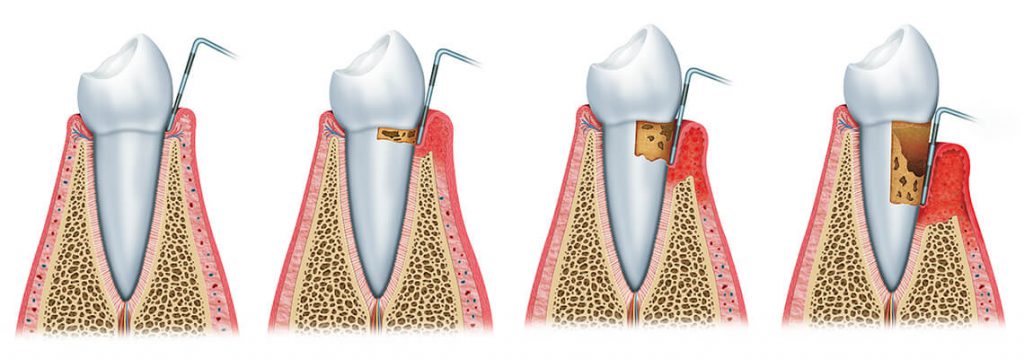
About Periodontal Disease Treatment
Periodontal disease is caused by the buildup of plaque, tartar, and bacteria in your mouth. These are the main harmful contributors to the symptoms mentioned above and, if left untreated, can have minor to severe consequences.
At Jensen Lakes Dental, we provide both surgical and non surgical treatments to combat this issue. These treatments work to restore your oral health, and take back the confident, healthy smile you once had so you can put your best self forward.
For the quickest route, open our location in Google Maps and follow the directions.
FAQ
What are the symptoms of periodontal disease?
Gum disease can show up as red or swollen gums, bleeding when you brush, tenderness, loose teeth, or bad breath. Watch for gums pulling away from teeth. Early treatment keeps it from getting worse. Tip: notice even small bleeding—it’s a warning sign.
Is periodontal treatment painful?
Most gum treatments are gentle. Dentists use numbing medicine so that you won’t feel much pain. You may feel some pressure during cleaning. Tip: Relax and ask for breaks if you feel tense.
How long does periodontal treatment take?
Treatment depends on how serious your gum infection is. Simple deep cleaning may take one or two visits. More advanced care could take longer.
Can periodontal disease affect overall health?
Yes. Gum disease can raise risks for heart issues, diabetes complications, and inflammation in your body. Healthy gums help protect your whole body. Treating gum problems early keeps you healthier overall.
Can periodontal disease cause bad breath?
Yes. Infection and bacteria under your gums can cause strong, unpleasant breath. Cleaning your gums and mouth properly usually fixes it. Brush and floss daily, and use a mouth rinse if needed.
Will I need follow-up visits after treatment?
Yes. Follow-ups let our dentist check healing, clean deep areas, and prevent the disease from coming back. Keeping these appointments helps your gums stay healthy long-term.