

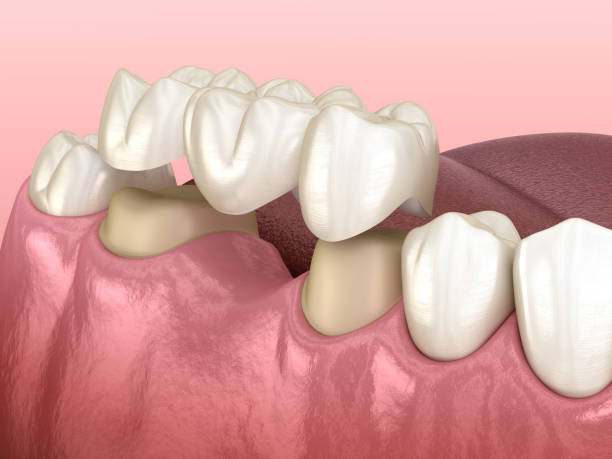
If a dental bridge feels loose, it is usually because the cement holding it in place has weakened or the underlying support teeth have developed new decay. You should contact a dentist in St. Albert immediately to have the appliance evaluated and professionally re-secured. Ignoring a loose bridge can lead to bacteria getting trapped underneath, which may cause infections or damage to the healthy teeth holding the bridge in place.
Why Is My Dental Bridge Moving?
A dental bridge is a custom-made restoration used to fill the gap left by missing teeth. It relies on the healthy teeth on either side of the gap for support. If you are wondering why your dental bridge feels loose, the most common reason is the “washout” of dental cement. Over time, saliva and the pressure of chewing can dissolve the bond that keeps the bridge attached to your natural teeth.
When the seal is broken, the bridge may shift slightly when you speak or eat. It is important to find a dentist near you to address this matter. Even a tiny gap can allow food particles and sugar to seep under the bridge, creating a breeding ground for cavities on the anchor teeth that were previously healthy.
Identifying the Cause of the Loose Fit
Understanding the root cause of the instability is the first step in protecting your oral health. While cement failure is common, structural changes in your mouth can also play a role. If the bone or gums around the bridge change shape due to age or gum disease, the bridge may no longer sit flush against the gum line.
| Common Causes | Description | Potential Result |
| Cement Failure | The dental glue wears away over time. | The bridge feels shaky, but the teeth are healthy. |
| Tooth Decay | New cavities form on the support teeth. | The bridge loses its foundation. |
| Trauma | An injury or biting something hard. | The bridge or support teeth may crack. |
| Gum Disease | Recession or bone loss near the bridge. | The bridge appears to have a gap at the base. |
Another factor to consider is how long a dental bridge should last. Most bridges are designed to function well for 5 to 15 years. If your bridge is nearing the end of its lifespan, the materials may be wearing out, necessitating a completely new restoration rather than a simple repair.
How to Fix a Loose Dental Bridge
The process of how to fix a loose dental bridge depends entirely on the health of the underlying teeth. If the support teeth are still strong and decay-free, a professional can often remove the bridge, clean it thoroughly, and use fresh, high-strength cement to bond it back into place. This is a relatively quick and painless procedure that restores full function to your bite.
However, if a dentist finds decay under the dental bridges in St Albert, the treatment becomes more involved. The decay must be removed, and the tooth must be repaired with a filling or a new core. In cases where the support tooth is too damaged, a new bridge design or a dental implant may be recommended to ensure your smile remains stable and healthy.
Why You Shouldn’t Wait for Care
It can be tempting to ignore a slightly wobbly bridge, especially if it isn’t causing pain yet; however, a loose bridge functions as a “pocket,” trapping bacteria against your tooth. You cannot floss or use a toothbrush to clean these areas because of the bridge. By the time you notice the pain, the infection could have already made its way to the nerve, requiring a root canal or the actual loss of the tooth. Seeking dental bridges near you at the first sign of movement is the best way to save your natural teeth.
Restoring Stability to Your Smile
A stable dental bridge is essential for clear speech, easy chewing, and a confident smile. When your dental work feels secure, you can do regular tasks without worrying about discomfort or embarrassment. If you notice a change in the fit of your bridge, taking quick action is the best way to prevent complications and protect your oral health in the long term.
You can always count on Jensen Lakes Dental for restorative dental care in your community. Our team knows that your dental work must feel natural and secure to you. Your smile will receive a thorough assessment to ensure it is maintained in optimal condition.
Frequently Asked Questions
Can I glue my dental bridge back myself?
No, you should never use over-the-counter glue or household adhesives to fix a bridge. These products can be toxic and may permanently damage your bridge or your natural teeth. Only a professional should use medical-grade cement to secure dental appliances.
Will a loose dental bridge fall out on its own?
Yes, if left untreated, the cement will continue to dissolve until the bridge eventually detaches. This often happens while eating, which creates a risk of swallowing or biting down on the appliance and breaking it.
Does it hurt to have a bridge re-cemented?
The process is generally very comfortable. If the support teeth are healthy, the dentist cleans the area and bonds the bridge back. If there is sensitivity, a local anesthetic can be used to ensure you don’t feel a thing.
Can a loose bridge cause bad breath?
Yes. When a bridge is loose, bacteria and food trap underneath it and begin to rot. Because you cannot reach this area to clean it, it often produces a persistent foul odour or a bad taste in your mouth.