

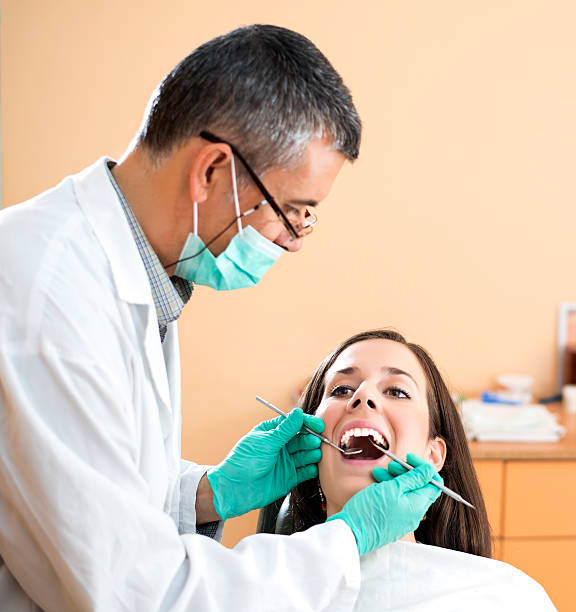
When a tooth is removed, your mouth heals in about 7 to 10 days for the first part. Complete healing under your gum takes 3 to 6 months. The first week is the most important for getting better. If you need a tooth extraction near you, a dentist near you will help you heal properly and answer all your questions.
What Happens When a Tooth Is Extracted?
Why Do Teeth Need to Be Removed?
Sometimes a tooth has to come out. This happens when:
- The tooth is broken and can’t be fixed
- The tooth has a bad infection
- The gum disease is too serious
- The tooth is cracked too deep to repair
- Your mouth doesn’t have enough space
- You need room for braces or other dental work
Tooth extraction in St. Albert is a normal procedure. Your dentist puts numbing medicine in the area first. You won’t feel pain during the removal—just pressure and some sounds. That’s okay and expected.
Two Types of Tooth Removal:
| Type | What Happens |
| Simple removal | The tooth comes out easily (it’s loose enough) |
| Surgical removal | The tooth is stuck; dentist needs to cut gum or bone |
Both types heal about the same way. Surgical removal might take a few extra days to feel better.
Day by Day: What to Expect During Healing
Days 1 to 3: The Most Important Time
Day 1 (First 24 Hours): Your mouth will bleed a little. This is normal. Your dentist at a dental clinic near you puts gauze (soft material) where the tooth was. Bite down on it gently for 30-45 minutes. Your face will start to swell. Swelling is good—it means your body is protecting itself. You might feel some pain. Medication helps with this. Eat only soft foods. Don’t chew hard things.
Days 2 and 3: Swelling gets bigger on days 2-3. This is actually a sign your body is working. You might see bruises on your cheek or jaw. Some people get more bruises than others. Pain starts feeling better by day 3. You still might feel tenderness where the tooth was. Keep eating soft foods. Use ice packs to make swelling smaller.
Days 4 to 7: You’ll Feel Much Better
By day 4, most people feel a lot better. Swelling starts going down. Eating soft foods gets easier. Pain becomes very mild or goes away. Your mouth starts to feel normal. Most people can do light activities by day 5-7.
But remember: the place where your tooth was is still healing inside. You can’t see this happening, but it’s very important. Don’t poke at the area with your tongue or fingers.
Week 2 to 3: Almost Normal
The hole where your tooth was is filling up with new bone and tissue. You feel almost completely normal. Swelling is mostly gone. You can eat softer regular food but still avoid the extraction area. You might feel a tiny bit of sensitivity near where the tooth was.
Month 1 to 3: Hidden Healing Continues
Your body is still making new bone inside your mouth. There really is nothing to see or feel changing, but important things are happening. The area is fully covered with gum. This healing is essential for you to get a dental implant later.
Month 3 to 6: Full Recovery Complete
By month 3, most bone healing is done. By month 6, the area is completely healed. If you plan to get a dental implant, this solid bone is what holds it in place.
Wisdom Tooth Extraction Recovery Time
Why Wisdom Teeth Are Different
Wisdom teeth are the back molars that grow in when you’re a teenager or young adult. They take longer to heal because:
- They have deeper roots
- They’re harder for the dentist at a dental clinic in St. Albert to reach
- The dentist needs to remove more bone
- The area is harder to keep clean during healing
How Long Recovery Takes:
| What Happens | Regular Tooth | Wisdom Tooth |
| First healing | 7–10 days | 10–14 days |
| Most swelling | Day 2–3 | Day 3–4 |
| Feel normal | 1–2 weeks | 2–3 weeks |
| The bone completely healed | 3–6 months | 4–6 months |
Some people have all four wisdom teeth removed at the same time. When more areas are healing, recovery takes longer. Your dental clinic in St. Albert can tell you exactly what to expect for your situation.
Tooth Extraction Recovery Tips for Adults: How to Heal Faster
What You Should Do Right Away
First 24 Hours
- Take complete rest; don’t work or do anything strenuous.
- You can apply ice packs for 20 minutes and then remove them for 20.
- Always sleep with your head held high.
- If you’re still bleeding, bite the gauze.
- Take your medicine exactly as your dentist tells you.
- Refrain from smoking and drinking alcohol entirely.
Days 2 to 7: Keep Everything Clean
- Rinse gently with salt water after eating (mix 1/2 teaspoon salt in 8 ounces of warm water)
- Don’t use regular mouthwash for at least 5 days—it can irritate the healing area
- Brush your other teeth gently, avoiding the extraction area
- Never use a straw—the suction can disturb healing
- Sleep with your head up on extra pillows
Best Foods to Eat
- Soft foods: yogurt, soup, mashed potatoes, ice cream, smoothies
- Protein: soft eggs, soft cheese, beans (when soft)
- Avoid: hard foods, crunchy foods, hot foods, spicy foods
- Drink lots of water and cool drinks
Things to Avoid
- Smoking makes healing take much longer
- Alcohol increases bleeding
- Heavy exercise for at least one week
- Touching the area with your fingers or tongue
- Rinsing your mouth hard or spitting forcefully
- Using straws
- Sleeping flat on your back
For Pain
- Use medicine your dentist gave you
- Over-the-counter pain relief works well (ibuprofen or acetaminophen)
- Ice packs help with pain and swelling
- Don’t use too much medicine—it can hide real problems
Tooth Extraction Aftercare and Recovery Guide
Take All Your Medicines
Take all antibiotics your dentist gives you, even if you feel fine. Finish the entire bottle. This stops infection from starting. Use pain medicine only when you need it. Don’t take more than the recommended amount.
Managing Bleeding
It is normal to have a small amount of ooze for 24 hours. Change the gauze when needed. Chew on a morsel for half an hour to 45 minutes. If your bleeding does not stop after two hours, call your dentist. Excess spit can simply be drooled inside tissue, not spit hard.
Reducing Swelling
Ice works best in the first 24-48 hours. After that, warm compresses feel better. Swelling is normal and doesn’t mean something is wrong. Swelling usually gets biggest around day 3, then gets smaller.
Activity Chart:
| Timeline | You Can Do | Avoid |
| Day 1 | Rest only | Any activity |
| Days 2–3 | Light walking | Gym and sports |
| Days 4–7 | Most normal things | Heavy lifting |
| Week 2+ | Everything | Nothing—you’re fine |
Sleep the Right Way
Sleep with your head up on 2-3 pillows. This makes swelling smaller and reduces bleeding. Sleeping flat on your back makes swelling worse.
When to Call Your Dentist Right Away
Contact your dentist immediately if you have:
- Bleeding that won’t stop after 2 hours
- Severe pain that medicine doesn’t help
- Fever or signs of infection
- Trouble swallowing or breathing
- Reaction to your medicine
Your Body Knows How to Heal
Tooth extraction is something your body has done many times before. Healing is a natural process that just takes time. The first few days feel hardest, but you’ll feel better very quickly. By day 7, most people feel so much better. By week 3, you’re back to your normal life.
The first week is the most important. Make sure to follow the dentist’s instructions. Consume your medications as recommended. Grab a break whenever required. Eat mashed food. Cease harmful behaviours against the environment.
Your body is incredible at fixing itself. You just need to help it while it works. Thousands of people get teeth removed every day and heal beautifully. You will too.
We’re Here to Help You Heal
If you need a tooth removed or you’re healing from one right now, Jensen Lakes Dental is here for you. Our team knows that extractions can feel scary, and we want to make everything as easy and comfortable as possible.
We will provide clear and easy guidance for your situation. We are always here for your questions during your healing. If you’re afraid it’ll hurt, not sure what to do or would like to talk to someone, please get in touch with us. We’re here to help you heal appropriately and return to being yourself once more. Contact us today to schedule your visit or to discuss your extraction recovery.
Questions People Often Ask
Q1: Is it normal to experience discomfort after a tooth is extracted?
Yes. It is common to experience mild to moderate pain in the first few days. It can be easily controlled with medicine or ice.
Q2: How can I tell if I have an infection?
Indications of infection include fever, worsening pain after day 3, pus, or a bad smell. As soon as you notice these, call your dentist.
Q3: When can I eat normal food again?
After 1-2 weeks, you can slowly eat normal foods again, but avoid the area where the tooth was for a few more weeks.
Q4: When can I exercise or play sports?
Wait at least one week for light activity and two weeks before going back to intense exercise or sports.